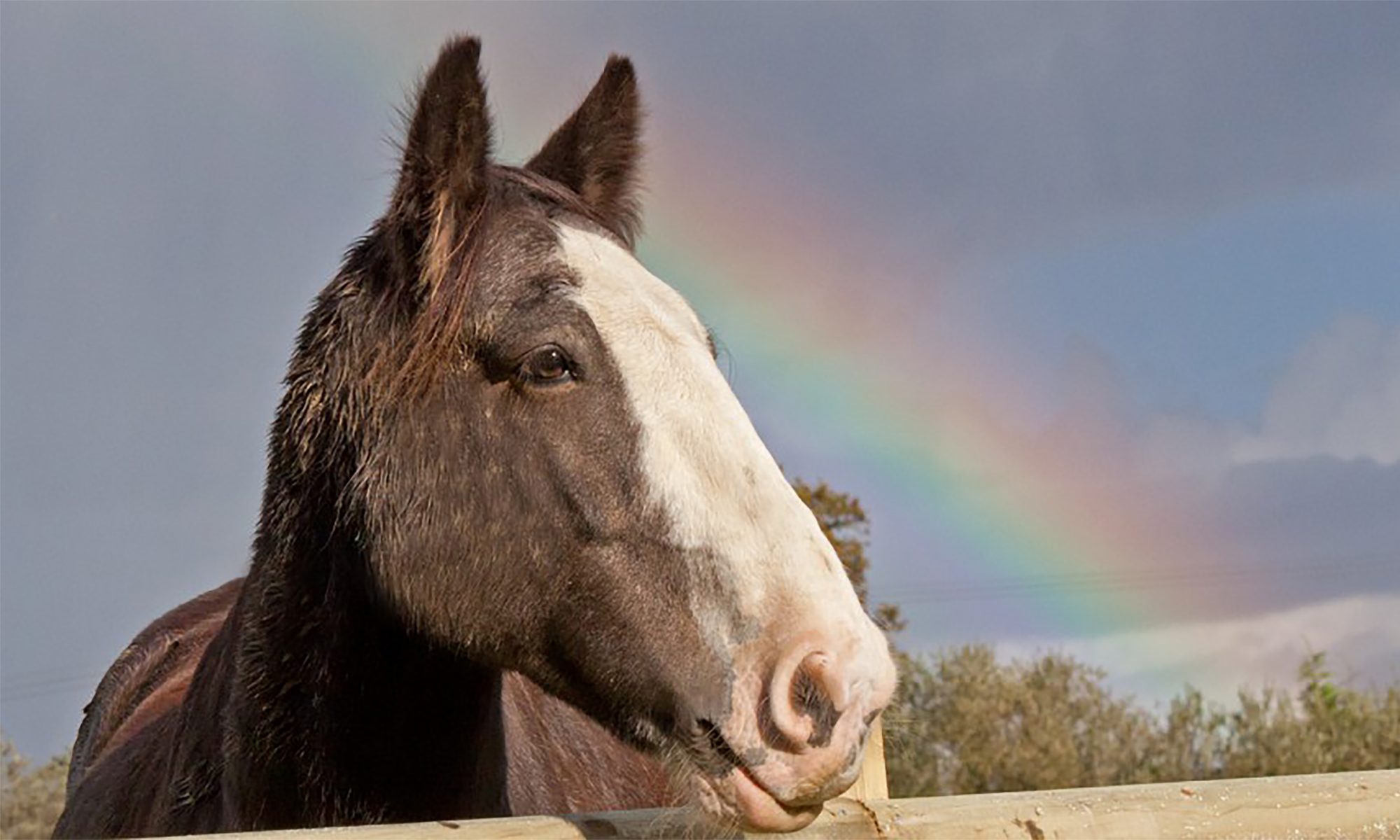
Just starting the third module on Jo Hughes Learning Theory course, I think courses like this are a must for all animal trainers, owners and those who have any interest in ethical treatment of animals. Along with the ethology of the species with which you intereact.
This module looks at habituation, desensitisation and the fine lines between this and, flooding and sensitisation.
I know I have been guilty of flooding a horse – e.g trying to desensitise Benny to wormers did not go well when I first got him, made him a lot worse.
If you put a saddle on a horse for the first time and allow it to buck it out or run until he accepts the saddle – with no means of escape – waiting until he is calm and has given in – that is flooding. That may seem obvious but there are much more subtle examples of flooding and some of it goes badly wrong.
Liz admits she flooded Smoke trying to clip him the year before last – it has taken a while to undo. Failed flooding usually ends up with a horse even more sensitised to the fearful stimulus.
Horses are neophobic so any new stimuls invokes the startle/fear respones. They do need to habituate and be desensitised to our envirnoment for them to be and feel safe. Desensitisation is a form of habituation in a controlled manner – stimulus at very low levels and gradually increased so as not to trigger a flight respone.
Flooding triggers a flight response with stimulus at full strength, with no means of escape, until the horse habituates – which may be never!
 Positive Horsemanship.