If we have captive animals we are their advocate. We have a responsibility to care for their mental and emotional well-being as well as their physical well-being. So it is up to us to take time to learn about their ethology, anatomy and physiology, nutritional needs and how best to care for them in our man made environments.
Learn from experts, people who have studied these subjects.
As Dr Helen Spence said ” if you want to understand biology learn from a biologist; if you want to learn about a disease go to a specialist doctor or vet; if you want to learn about how animals learn (we are animals too) go to someone who has studied with experts in learning theory or a psychologist who has studied this to degree level.” This is a slight paraphrase of the actually conversation.
More information about Dr Spence http://www.helenspencehorsesense.co.uk/
There are so called “experts” in all these disciplines who do not have the correct knowledge. So if in doubt ask what qualifications they have, ask them to point you to research that supports their point of view. In this age of social media we all have to be careful who we take advice from.
It does astounds me that so many animal owners don’t know much about the anatomy and physiology of animals in their care, although it shouldn’t, as many people don’t know how their own body works.
When we were thinking of getting a budgerigar I bought a book about them, same when we inherited a cat. Before I owned horses I studied for BHS qualifications. Even though I was a senior nurse in a critical care unit I went to specialists when I wanted to learn first aid.
What I didn’t study was learning theory and I regret not doing so earlier.
Max Easey is a good source of knowledge, I did her How Animals Learn course – Max has studied with some of the best animal trainers world wide and is married to a psychologist so can check the facts with an expert.
Max has a post on Facebook about some of the language used by some horse trainers and what it actually means, don’t get sucked in by pseudo-science. Find Max on Facebook
We all want an ethical way of caring for and training our animals, so go out and ask the experts. We all utilise the principles of learning theory but don’t always understand why what we do works.
I can only speak for horses as I have more experience with them than other animals, but even with 40 years of riding and caring for horses I am still learning.
Traditional horsemanship, natural horsemanship and reward based training have a lot of common ground so we must all work together for the good of the horse.
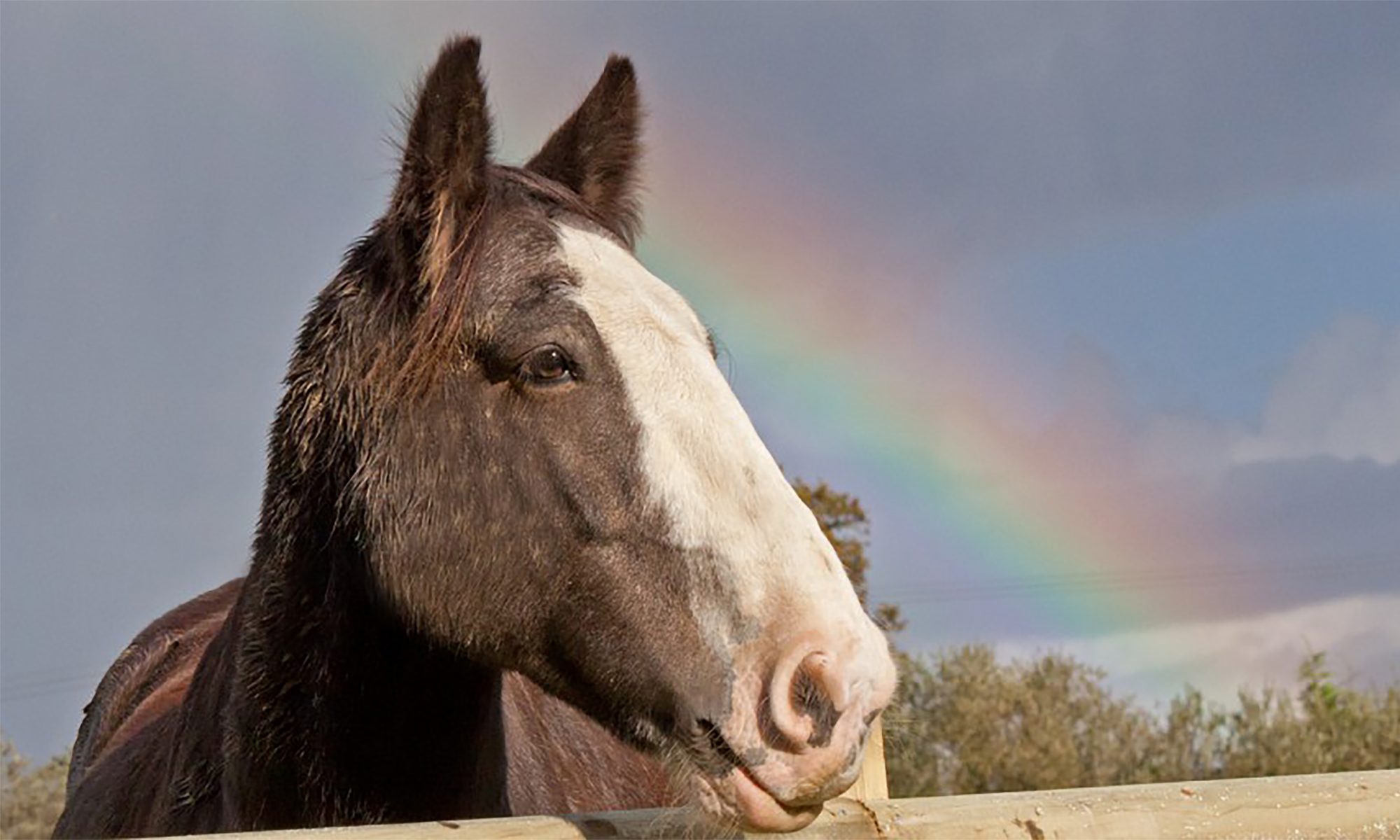
 Positive Horsemanship.